In recent weeks, we have been receiving more than the usual requests for information and resources about an eye condition called convergence insufficiency (CI). Because we have not published an article on this topic since 2012 with Helpful Apps & Resources for Convergence Insufficiency, we thought it was time with the New Year to provide our readers with the latest information, strategies and other resources on this subject of CI.
What IS Convergence Insufficiency? (CI)
Convergence insufficiency is a condition in which the eyes are unable to work together when looking at nearby objects. This condition causes one eye to turn outward instead of inward with the other eye creating double or blurred vision.
Convergence insufficiency is usually diagnosed in school-age children and adolescents. It can cause difficulty reading, for which parents or teachers might suspect the child has learning difficulties rather than an eye disorder.
Treatments are usually effective for convergence insufficiency.
Symptoms and Causes of Convergence Insufficiency (CI)
Not everyone with convergence insufficiency has signs and symptoms. Signs and symptoms occur while you're reading or doing other close work and might include:
-Tired, sore or uncomfortable eyes (eyestrain)
-Frequent headaches
-Difficulty reading — words seem to float on the page, loss of place or reading slowly, which might cause one to avoid reading or not complete schoolwork
-Double vision (diplopia)
-Difficulty concentrating
-Squinting, rubbing or closing one eye
The cause of convergence insufficiency is actually not known, but it involves a misalignment of the eyes when focusing on nearby objects. The misalignment involves the muscles that move the eye. Typically, one eye drifts outward when you're focusing on a word or object at close range.
If you or your child experiences the symptoms of convergence insufficiency or problems reading, consult an eye care professional for a comprehensive exam — a developmental/behavioral optometrist or an ophthalmologist.
Diagnosis of Convergence Insufficiency (CI)
Individuals with convergence insufficiency might have otherwise normal vision (20/20), so it is important to mention reading or learning concerns to your eye care provider. To diagnose convergence insufficiency, the eye doctor might:
1. Request a medical history. This might include questions about problems with focusing, blurred or double vision, headaches, and symptoms.
2. Measure the near point of convergence. This test measures the distance from the eyes to where both eyes can focus without double vision. The examiner holds a small target, such as a printed card or penlight, in front of the patient and slowly moves it closer until either double vision is experienced or the examiner sees an eye drift outward.
3. Assess positive fusional vergence (PFV). During this test, the patient is asked to read letters on an eye chart while looking through prism lenses. The examiner will note when you begin to have double vision.
4. Perform a routine or comprehensive (recommended) eye exam. If patient has any other vision problems, such as nearsightedness, the doctor might conduct tests to assess the degree of the problem.
Recommended Treatment of (CI)
Eye coordination problems like convergence insufficiency generally cannot be improved with eye glasses or surgery. A program of vision therapy may be needed to improve eye coordination abilities, reduce symptoms, and alleviate discomfort when doing close work.
The American Optometric Association and the 2008 Convergence Insufficiency Treatment Trial clearly support the superiority of office-based vision therapy, supplemented by at-home vision therapy (i.e., prescribed eye exercises, etc.), for treatment of convergence insufficiency.
If convergence insufficiency is not causing symptoms, treatment is generally not needed. However, for persons with symptoms, treatment that include eye-focusing exercises can increase the eyes' convergence ability.
Treatment of CI, which can take place in the office of a trained therapist or at your home, might include:
1. Pencil Pushups: In this exercise, the patient focuses on a small letter on the side of a pencil as it is moved closer to the bridge of the nose, stopping as soon as double vision is experienced. The exercise is often done for 15 minutes a day, five or more days a week.
2. Computer-generated Vision Therapy: Eye-focusing exercises are done on a computer using software designed to improve convergence. The results can be printed to share with the eye doctor.
3. About Reading Glasses: Glasses with built-in prisms generally haven't proved effective. If the patient has another focusing or vision problem, such as not seeing well close up (farsightedness), reading glasses might be prescribed.
Recent studies indicate that office-based therapy with home reinforcement is the most effective treatment for convergence insufficiency. Home-based treatment with pencil pushups or computer programs hasn't been shown to be as effective. But home treatment costs less and is more convenient and more readily available.
Treatment for convergence insufficiency might take three months or longer. Treatment can resolve convergence insufficiency, but symptoms might recur after illness, after lack of sleep, or when you're doing a lot of reading or other close work. Discuss treatment options with your eye care professional.
In the meantime, teachers can do much to enable students to manage CI symptoms and other reading challenges in the classroom. Here is a list of practical strategies to help alleviate some of the discomfort and focusing issues of CI:
7 Classroom Modifications to Help Students with Functional Vision Problems
Provide Better Lighting
Many classrooms are poorly lit with flickering fluorescent bulbs. Even when this type of lighting is functioning properly, the glare created by the fluorescent bulbs makes it very difficult for readers with challenges. Schools often need to make the most economical choices, and fluorescent lighting is cheap. However, proper lighting is particularly important for students with vision problems. We suggest providing natural lighting or full-spectrum bulbs whenever possible. On a nice day, a child could sit near the window in the sunlight or at a table with a full-spectrum lamp, especially when doing sustained close work. In addition, to alleviate the "harshness" of fluorescent lighting in a classroom, some teachers drape softly-colored, open-weaved fabric (not flammable) under the lighting fixtures on the ceiling but at a safe distance from them.
Provide Periodic Work Breaks
Sustained near-field work that requires a student to keep both eyes pointed in the same direction (a function known as teaming), follow along the text (a function known as tracking), and focus on text or numbers for an extended amount of time (a function known as “accommodation”) is challenging for children with vision problems. These functions work effortlessly for children with healthy vision systems, but children with vision deficiencies need to put forth extra effort. Allowing students to take breaks regularly gives their eyes time to rest so they can begin working again refreshed.
Provide Oral Testing Options
For children with vision problems, reading and writing causes strain and even headaches; so sometimes these students get distracted or give up while taking a test. If you’ve ever studied with your child for an exam, certain he would ace it, only to find out later that he failed, a functional vision problem could be interfering with his test-taking performance. Bubbling in answer sheets can be a particular challenge. Allowing students to demonstrate knowledge through oral quizzes and tests when possible is often a helpful solution.
Grant More Time for Completion of Work
Often, classroom exams and assignments are either intentionally timed or students are hurried on to the next task due to schedules and general time constraints of the school day. A child with a learning-related vision problem may need more time to learn, complete assignments, and take tests. This has nothing to do with intelligence; it’s simply a matter of the way their vision system functions. Granting extra time can boost their performance.
Use Highlighters
When you were in school, did you ever use highlighter markers or pencils to underline important text? When you’re reading, do you ever slide your finger or pen along text as a guide, especially when you’re getting tired or trying to concentrate on challenging material? Allowing a child with an eye tracking deficiency to use highlighters as they read is a simple but effective classroom modification. Readers with normal healthy visual processing systems can easily move their eyes in a left to right manner across the page without skipping words or losing their place. Highlighters can make it easier for your child to stay on track.
Make Larger Text Available
Children with learning-related vision problems strain to read standard-sized text more so than their classmates with healthy vision systems. Larger print is easier to read, focus on, and follow along, smoothly and efficiently. Text on worksheets and exams can be enlarged simply by using larger font or blowing up the copy size. The school may be required to accommodate your child’s needs by ordering large-print textbooks when available. You can also buy large-print books for your child to read at home or check them out from the library.
Limit Copying From Board
Copying from the board or screen can be difficult for a student with a vision problem, even if he has 20/20 eyesight or wears eyeglasses. When a child has trouble focusing, he may see clearly while looking down at his paper, and clearly while looking up at the board. However, looking up and down, back and forth, from the board to the paper might be where the challenge comes into play. The focus mechanism in a child’s eyes might be weak, slowing down the adjustment period as he looks from one point to the other. Arrange for seating closer to the board for some relief, or preferably provide the child with printed materials from which to copy.
If a child has a learning-related functional vision problem, simple classroom and learning environment modifications can provide much-needed relief as he tries to cope. The first step is to obtain a professional diagnosis by scheduling a functional or comprehensive vision exam with a developmental or behavioral optometrist. Then work with the school teacher and school to ensure appropriate modifications are made available.
These classroom modifications may be temporary, because an individualized vision therapy program can improve functional vision significantly.
Sources
Convergence Insufficiency (Symptoms & Causes) - from Mayo Clinic
https://www.mayoclinic.org/diseases-conditions/convergence-insufficiency/symptoms-causes/syc-20352735
Convergence Insufficiency (Diagnosis & Treatment) - from Mayo Clinic
https://www.mayoclinic.org/diseases-conditions/convergence-insufficiency/diagnosis-treatment/drc-20352739
Home-Based Therapy for Convergence Insufficiency-NOT EFFECTIVE!- by Lynn Hellerstein
http://lynnhellerstein.com/home-based-therapy-for-convergence-insufficiency-not-effective/
Dyslexia, Really? Convergence Insufficiency: the REAL Story- by Robin Pauc (Kindle Edition)
https://www.amazon.com/Dyslexia-Really-Convergence-Insufficiency-story-ebook/dp/B0055T3AD0/ref=sr_1_2?s=books&ie=UTF8&qid=1516115126&sr=1-2&keywords=convergence+insufficiency
What is Convergence Insufficiency (CI)? - from Optometrists Network
http://www.convergenceinsufficiency.org/
Convergence Insufficiency - from COVD (College of Optometrists in Vision Development)
http://www.covd.org/?page=Convergence
Doctor Locator Tool - from the COVD (College of Optometrists in Vision Development)
Locate a Doctor in your area who is experienced and knowledgeable in diagnosing and treating convergence insufficiency.
http://locate.covd.org/
7 Classroom Modifications to Help Students with Functional Vision Problems
http://www.visuallearningcenter.com/7-classroom-modifications-to-help-students-with-functional-vision-problems/
65+ Convergence Insufficiency Resources (Many are FREE!)
https://goo.gl/SLsiGV
Helpful Apps & Resources for Convergence Insufficiency
http://helpforstrugglingreaders.blogspot.com/2012/11/helpful-apps-resources-for-convergence.html
For more information about tools, strategies and resources for CI and other reading challenges, please visit:
www.FocusandRead.com Tools for struggling readers of all ages!
www.BrennanInnovators.com Info & support for struggling readers
314-892-3897
Image provided by: Brennan Innovators, LLC www.FocusandRead.com
Do you know a challenged reader? This blog will offer some tips, strategies & resources to help.
Showing posts with label vision problems. Show all posts
Wednesday, January 17, 2018
How Can I Help a Child with Convergence Insufficiency (CI)?
Labels:
CI,
convergence,
convergence insufficiency,
learning tools,
reading accommodations,
reading strategies,
reading tools,
vision and learning,
vision and reading,
vision problems,
vision therapy
Saturday, March 16, 2013
Vision & Literacy Resources for Down Syndrome
When a special needs child becomes part of a growing family, we know that a very “special” kind of dedication will be “needed” of the parents of that child as well as of the other family members.
When new parents receive a diagnosis of Down Syndrome for their new little one, their level of dedication may be particularly "special". At the same time, the rewards for the family could be exceptional as the child will become capable of giving much love and affection. She will also be able to celebrate with her parents as she learns important skills and reaches significant milestones along the way.
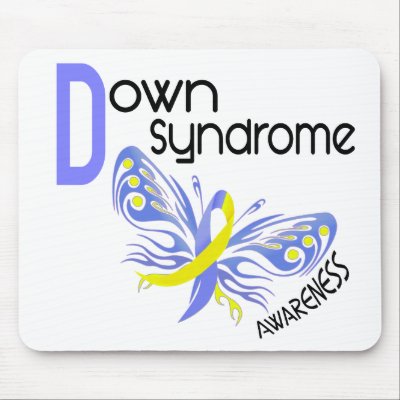
For the best possible outcomes, the parents and families of children with Down Syndrome will need all the help, support and resources available in their communities. This week, as we approach World Down Syndrome Awareness Day (Thurs., March 21), our blog article is dedicated to these families, providing this needed information to help them best care for their children, especially in the areas of health care, vision and literacy.
Options for Health Care
For optimal health care of their child, families may wish to locate a developmental pediatrician, a specialist knowledgeable about Down syndrome or a Down syndrome clinic. A pediatric hospital can guide you in this search for such a specialist as well as provide you with a support team of other medical professionals to help you and your child. These specialists can work with your primary care physician. However, it is not always necessary or possible to find an expert on Down syndrome. The most important thing is that the doctor is willing to learn about the condition and collaborate with the family and individual with Down syndrome (also called Trisomy 21).
(Source: National Down Syndrome Society: https://www.ndss.org/Resources/Health-Care/Health-Care-Providers/.)
In addition, local parent groups can also be an excellent resource for learning of health care professionals who have experience with Down syndrome.
To enable parents to care for and help their child with Down Syndrome in the best ways possible, we have gathered together this week a collection of resources to help support these families in the best ways possible.
Vision and Literacy
Also, parents will want to know that Down syndrome can affect the developing eye, which could impact the proper development of vision. Eye disease is reported in over half of patients with Down Syndrome, from less severe problems such as tear duct abnormalities to vision threatening diagnoses, such as early age cataracts.
(Source: National Down Syndrome Society: http://www.ndss.org/Resources/Health-Care/Associated-Conditions/Vision--Down-Syndrome/.)
As particular this attention should be given to vision in people with Down syndrome, we have also included in our resources list below here a group of links related to vision and literacy for parents of children with DS who are challenged with such issues. Please scroll down to see Vision & Literacy Resources for Down Syndrome in the second half of the list to follow here. We hope that these will provide a starting point in the development of reading skills for these children.
Resources for General Information about Down Syndrome
List of Down Syndrome Resources
List includes national organizations, medical resources & more
http://www.downsyn.com/resources.php
National Association for Down Syndrome (NADS)
Organization that offers a special welcome to new parents. Since its inception in 1961, NADS has always believed that parents helping parents is a very powerful concept and most parents find that some of their greatest resources are other parents. NADS is funded by private and corporate donations, fundraising events and by membership dues.
http://www.nads.org/
Health Care Providers and Locator Map
From the National Down Syndrome Society (NDSS)
For optimal health care, families may wish to locate a developmental pediatrician, a specialist knowledgeable about Down syndrome or a Down syndrome clinic. These specialists can work with the primary care physician. Local parent groups are also an excellent resource for learning of health care professionals who have experience with Down syndrome. (Please see NDSS Affiliate Local Support with Locator Map to follow.)
https://www.ndss.org/Resources/Health-Care/Health-Care-Providers/
Affiliate Local Support with Locator Map
From the National Down Syndrome Society (NDSS)
Local parent groups are an excellent resource for learning of health care professionals who have experience with Down syndrome.
https://www.ndss.org/Resources/Local-Support/
University of Michigan Health System Website
General overview of Down Syndrome (Trisomy 21) with basic statistics, information about development and more.
http://www.med.umich.edu/yourchild/topics/downsyn.htm
Down Syndrome Education Online
Website offers a comprehensive, reliable and up-to-date range of information, resources and services for families, practitioners and researchers caring for, supporting and investigating Down syndrome.
http://www.down-syndrome.org/guide/
Down Syndrome Blog
Blog written by the father of a son with Down Syndrome. An EXCELLENT read with regular posts!
http://noahsdad.com/
List of Other Down Syndrome Blogs
http://noahsdad.com/down-syndrome-blogs/
Vision & Literacy Resources for Down Syndrome
Vision and Down Syndrome
Information on how vision may be impacted by Down Syndrome and resources to help
http://www.ndss.org/Resources/Health-Care/Associated-Conditions/Vision--Down-Syndrome/
Reading Interventions for Children with Down Syndrome
by Kelly Burgoyne
Research with typically developing children has identified successful methods of teaching reading, and recent work has begun to evaluate these methods for individuals with Down syndrome. The aim of this paper is to review this work, and to highlight areas in need of further research.
http://www.down-syndrome.org/reviews/2128/reviews-2128.pdf
Tools for Challenged Readers
Brennan Innovators, LLC provides customizable Reading Focus Cards (Patent 7,565,759) for struggling readers of all ages. The company can create special Reading Focus Cards for children and adults who require large fonts (1 to 2 inches in size) for vision issues. Those interested are invited to call the company for specification needs and individual pricing (see website for phone number, please).
www.FocusandRead.com/products
Desktop APP---Reading Focus Cards (Patent 8,360,779)
This desktop app for Macs, Windows PCs & Microsoft Surface tablets accommodates low vision or unfocused readers by covering text NOT to be read and channeling the eyes to 1 or more lines of text that ARE to be read. Users can manipulate all features of this digital tool available for download. This app allows for customization to meet the needs of individual readers and can also accommodate very large text or fonts as needed.
To learn more, visit http://www.focusandread.com/page/488513590.
Direct links to access app download:
1. For Macs (desktops & notebooks):
Visit the Mac App Store and search for Reading Focus Cards or go directly to
https://itunes.apple.com/us/app/read-and-focus/id920617853?mt=12
2. For Windows PCs (desktops & laptops):
Visit Gumroad at https://gumroad.com/l/ReadingFocusCards OR visit the Microsoft Windows Store and search for the app called Reading Focus Cards. (No URLs are ever provided for apps in the Windows Store.)
Emergent Literacy in the Homes of Children with Down Syndrome
by Thomas L. Layton, Ph.D., North Carolina Central University
http://triangledownsyndrome.org/cmsmadesimple/index.php?page=literacy
Reading and writing for individuals with Down syndrome - An overview
by Sue Buckley
http://www.down-syndrome.org/information/reading/overview/
The influence of reading instruction on language and memory development in children with Down syndrome
by Glynis Laws, Sue Buckley, John MacDonald and Irene Broadley
This paper reports evidence for the importance of reading instruction for memory and language development in children with Down syndrome.
http://www.down-syndrome.org/reports/52/
For information on customizable reading tools:
www.FocusandRead.com Tools for struggling readers of all ages!
www.BrennanInnovators.com Info & support for struggling readers
314-892-3897
Image courtesy of: http://rlv.zcache.com/down_syndrome_butterfly_3_1_mouse_pads-p144494819243887027eng3t_400.jpg
When new parents receive a diagnosis of Down Syndrome for their new little one, their level of dedication may be particularly "special". At the same time, the rewards for the family could be exceptional as the child will become capable of giving much love and affection. She will also be able to celebrate with her parents as she learns important skills and reaches significant milestones along the way.
For the best possible outcomes, the parents and families of children with Down Syndrome will need all the help, support and resources available in their communities. This week, as we approach World Down Syndrome Awareness Day (Thurs., March 21), our blog article is dedicated to these families, providing this needed information to help them best care for their children, especially in the areas of health care, vision and literacy.
Options for Health Care
For optimal health care of their child, families may wish to locate a developmental pediatrician, a specialist knowledgeable about Down syndrome or a Down syndrome clinic. A pediatric hospital can guide you in this search for such a specialist as well as provide you with a support team of other medical professionals to help you and your child. These specialists can work with your primary care physician. However, it is not always necessary or possible to find an expert on Down syndrome. The most important thing is that the doctor is willing to learn about the condition and collaborate with the family and individual with Down syndrome (also called Trisomy 21).
(Source: National Down Syndrome Society: https://www.ndss.org/Resources/Health-Care/Health-Care-Providers/.)
In addition, local parent groups can also be an excellent resource for learning of health care professionals who have experience with Down syndrome.
To enable parents to care for and help their child with Down Syndrome in the best ways possible, we have gathered together this week a collection of resources to help support these families in the best ways possible.
Vision and Literacy
Also, parents will want to know that Down syndrome can affect the developing eye, which could impact the proper development of vision. Eye disease is reported in over half of patients with Down Syndrome, from less severe problems such as tear duct abnormalities to vision threatening diagnoses, such as early age cataracts.
(Source: National Down Syndrome Society: http://www.ndss.org/Resources/Health-Care/Associated-Conditions/Vision--Down-Syndrome/.)
As particular this attention should be given to vision in people with Down syndrome, we have also included in our resources list below here a group of links related to vision and literacy for parents of children with DS who are challenged with such issues. Please scroll down to see Vision & Literacy Resources for Down Syndrome in the second half of the list to follow here. We hope that these will provide a starting point in the development of reading skills for these children.
Resources for General Information about Down Syndrome
List of Down Syndrome Resources
List includes national organizations, medical resources & more
http://www.downsyn.com/resources.php
National Association for Down Syndrome (NADS)
Organization that offers a special welcome to new parents. Since its inception in 1961, NADS has always believed that parents helping parents is a very powerful concept and most parents find that some of their greatest resources are other parents. NADS is funded by private and corporate donations, fundraising events and by membership dues.
http://www.nads.org/
Health Care Providers and Locator Map
From the National Down Syndrome Society (NDSS)
For optimal health care, families may wish to locate a developmental pediatrician, a specialist knowledgeable about Down syndrome or a Down syndrome clinic. These specialists can work with the primary care physician. Local parent groups are also an excellent resource for learning of health care professionals who have experience with Down syndrome. (Please see NDSS Affiliate Local Support with Locator Map to follow.)
https://www.ndss.org/Resources/Health-Care/Health-Care-Providers/
Affiliate Local Support with Locator Map
From the National Down Syndrome Society (NDSS)
Local parent groups are an excellent resource for learning of health care professionals who have experience with Down syndrome.
https://www.ndss.org/Resources/Local-Support/
University of Michigan Health System Website
General overview of Down Syndrome (Trisomy 21) with basic statistics, information about development and more.
http://www.med.umich.edu/yourchild/topics/downsyn.htm
Down Syndrome Education Online
Website offers a comprehensive, reliable and up-to-date range of information, resources and services for families, practitioners and researchers caring for, supporting and investigating Down syndrome.
http://www.down-syndrome.org/guide/
Down Syndrome Blog
Blog written by the father of a son with Down Syndrome. An EXCELLENT read with regular posts!
http://noahsdad.com/
List of Other Down Syndrome Blogs
http://noahsdad.com/down-syndrome-blogs/
Vision & Literacy Resources for Down Syndrome
Vision and Down Syndrome
Information on how vision may be impacted by Down Syndrome and resources to help
http://www.ndss.org/Resources/Health-Care/Associated-Conditions/Vision--Down-Syndrome/
Reading Interventions for Children with Down Syndrome
by Kelly Burgoyne
Research with typically developing children has identified successful methods of teaching reading, and recent work has begun to evaluate these methods for individuals with Down syndrome. The aim of this paper is to review this work, and to highlight areas in need of further research.
http://www.down-syndrome.org/reviews/2128/reviews-2128.pdf
Tools for Challenged Readers
Brennan Innovators, LLC provides customizable Reading Focus Cards (Patent 7,565,759) for struggling readers of all ages. The company can create special Reading Focus Cards for children and adults who require large fonts (1 to 2 inches in size) for vision issues. Those interested are invited to call the company for specification needs and individual pricing (see website for phone number, please).
www.FocusandRead.com/products
Desktop APP---Reading Focus Cards (Patent 8,360,779)
This desktop app for Macs, Windows PCs & Microsoft Surface tablets accommodates low vision or unfocused readers by covering text NOT to be read and channeling the eyes to 1 or more lines of text that ARE to be read. Users can manipulate all features of this digital tool available for download. This app allows for customization to meet the needs of individual readers and can also accommodate very large text or fonts as needed.
To learn more, visit http://www.focusandread.com/page/488513590.
Direct links to access app download:
1. For Macs (desktops & notebooks):
Visit the Mac App Store and search for Reading Focus Cards or go directly to
https://itunes.apple.com/us/app/read-and-focus/id920617853?mt=12
2. For Windows PCs (desktops & laptops):
Visit Gumroad at https://gumroad.com/l/ReadingFocusCards OR visit the Microsoft Windows Store and search for the app called Reading Focus Cards. (No URLs are ever provided for apps in the Windows Store.)
Emergent Literacy in the Homes of Children with Down Syndrome
by Thomas L. Layton, Ph.D., North Carolina Central University
http://triangledownsyndrome.org/cmsmadesimple/index.php?page=literacy
Reading and writing for individuals with Down syndrome - An overview
by Sue Buckley
http://www.down-syndrome.org/information/reading/overview/
The influence of reading instruction on language and memory development in children with Down syndrome
by Glynis Laws, Sue Buckley, John MacDonald and Irene Broadley
This paper reports evidence for the importance of reading instruction for memory and language development in children with Down syndrome.
http://www.down-syndrome.org/reports/52/
For information on customizable reading tools:
www.FocusandRead.com Tools for struggling readers of all ages!
www.BrennanInnovators.com Info & support for struggling readers
314-892-3897
Image courtesy of: http://rlv.zcache.com/down_syndrome_butterfly_3_1_mouse_pads-p144494819243887027eng3t_400.jpg
Labels:
developmental pediatrician,
Down Syndrome,
literacy and Down Syndrome,
special needs,
special needs resources,
Trisomy 21,
vision issues with Down Syndrome,
vision problems
Subscribe to:
Posts (Atom)